Showing posts with label Nikkor. Show all posts

Thursday, July 30, 2026

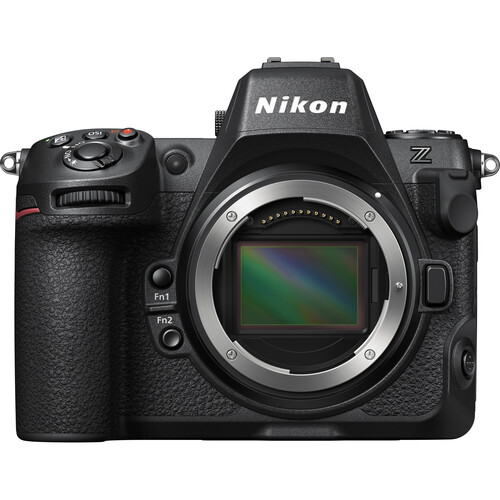
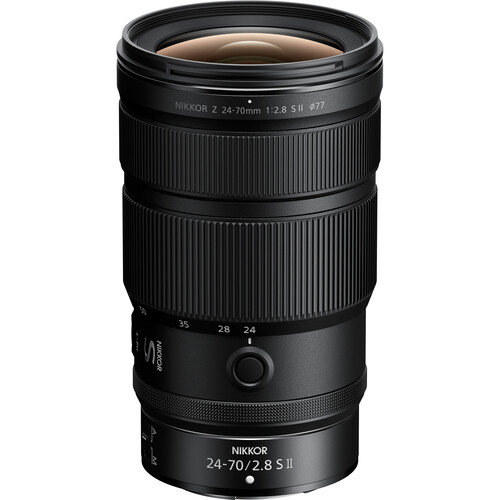
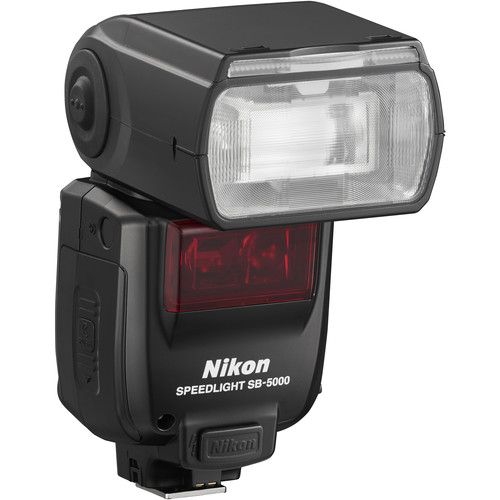
REVIEW: Nikon Z8 with NIKKOR Z 24-70mm f/2.8 S II Lens and Nikon SB-5000 AF Speedlight

Camera ReviewRonMartBlog

Nikon Z8 with NIKKOR Z 24-70mm f/2.8 S II & SB-5000: The System That Does Everything

After 35+ days shooting landscapes and family portraits on the 16th Nikon review I've done thanks to my friends at B&H — I'll say this plainly: Nikon has come so far. The Z8 is everything I loved about Nikon, wrapped in a body that finally addresses nearly everything I used to hate about it. Paired with the eyewatering-but-worth-every-penny NIKKOR Z 24-70mm f/2.8 S II and the fastest-recycling flash I've ever put on a hotshoe, this system made me genuinely sad to box it up and ship it back.

Nikon Z8 with NIKKOR Z 24-70mm f/2.8 S II & SB-5000: The System That Does Everything product photo
Nikon Z8 with NIKKOR Z 24-70mm f/2.8 S II & SB-5000: The System That Does Everything — click to check current price / availability

TL;DR ⚡

The Z8 is a 45.7MP, all-electronic-shutter powerhouse that packs essentially all of the Z9's capability into a lighter, more carry-friendly body — at a body-only price around $3,499. Its autofocus is excellent, its metering and white balance are outstanding, its configurable button layout is genuinely pro-grade, and its High-ISO workflow pairs brilliantly with DxO PureRAW. The one-two punch of the NIKKOR Z 24-70mm f/2.8 S II lens and the SB-5000 speedlight turns it into a system that can cover weddings, events, commercial work, and serious landscape work without missing a beat. Eye/subject AF is good but still a notch behind Sony and Canon. The articulating LCD is a real miss. Battery life with alkaline AAs in the SB-5000 is a gotcha to plan around.

Buy this system if you need one camera and one lens to handle nearly everything. Nikon wins when one system has to do nearly everything.

Table of Contents

  1. Pros and cons
  2. Who it’s for and who should skip
  3. The Z8 Body: What 16 Nikon Reviews Later Looks Like
  4. NIKKOR Z 24-70mm f/2.8 S II: Buy Once, Cry Once
  5. Nikon SB-5000 AF Speedlight: The Flash You Didn't Know You Needed
  6. Real World Shots
  7. Recommended products
  8. Closing thoughts
  9. Related articles

✅ Pros

  • Pro-grade ergonomics and build qualityBuilt like a Mercedes — heavy in a confidence-inspiring, premium way with tons of configurable buttons in exactly the right places
  • 45.7MP is a sweet spotHigh-resolution without becoming unwieldy — files are large but manageable, not the file-storage nightmare of medium format
  • Outstanding metering and white balanceNailed exposure and color consistency across landscapes and indoor family portraits alike
  • Great viewfinder3.69M-dot blackout-free EVF — no complaints, full stop
  • Comprehensive feature setI never felt like a feature I needed was missing — I may have had to ask AI to find some of them, so discoverability gets a B, but they're all there
  • High-ISO + DxO PureRAW is a revelationPureRAW feels noticeably faster on NEF files and can rescue shots that looked unsalvageable — ISO 12,800 behaving like ISO 100 is no exaggeration
  • Rich file format optionsN-RAW, ProRes RAW, 12-bit NEF, dual-slot CFexpress + SD — this camera speaks every format a working pro needs

⛔ Cons

  • Articulating LCD is embarrassingly outdatedThe 4-axis tilting design is just slightly better than useless by 2025 standards — I hope a patent is blocking something better, because this needs a total rethink
  • Default photo playback settings are badOut of the box, playback behavior is unintuitive and requires immediate reconfiguring — a frustrating first-impression for a $3,500 camera
  • Eye/subject AF trails Sony and CanonGood, not great — demonstrably behind what I experienced with Sony (best), Fujifilm, and Canon this year
  • Feature discoverability gets a BEverything is in there, but you may need to consult AI or a YouTube walkthrough to find where Nikon buried certain settings
  • HeavyNot a dealbreaker — the weight is a byproduct of pro-grade construction — but it's real weight on a long day's shoot

Who it’s for

  • Wedding and event photographers who need one camera to do nearly everything reliably
  • Commercial and portrait photographers who want high resolution with strong color science and metering
  • Landscape and wildlife shooters who need robust weather sealing and a serious file for cropping
  • Sports and hybrid video shooters who need 8K/60p and 4K/120p in a sub-Z9 package
  • Existing Nikon Z-mount users — this is the upgrade that makes the whole system make sense
  • Photographers who shoot High-ISO and are willing to add a DxO PureRAW step to their workflow

Who should skip

  • Shooters whose primary use case demands the very best eye/subject tracking — Sony is still the leader there, and it matters in fast editorial and sports work
  • Anyone who shoots a lot from awkward angles and relies on a fully articulating rear screen — this isn't your camera
  • Budget-conscious shooters: body at ~$3,499 plus the 24-70mm f/2.8 S II at $2,799 is a $6,300 combination before memory cards, flash, and a bag
  • Casual photographers upgrading from a consumer APS-C body — the feature density will overwhelm you and your money is better spent elsewhere

The Z8 Body: What 16 Nikon Reviews Later Looks Like

  • Context: I shot with this loaner from June 25th through July 30th — 35 days of landscapes and family portrait sessions, a casual real-world use case that reflects exactly how a serious enthusiast or working pro would stress-test a camera between assignments.
  • Nikon's progression is real: I think this is my 16th Nikon review. The Z8 is the camera that finally synthesizes everything I've loved about this brand — German-grade build quality, world-class metering, outstanding color — with a modern mirrorless feature set that addresses the frustrations I carried for years.
  • The button layout is genuinely pro: Lots of configurable physical controls, all in ergonomically sensible positions. After a few hours I stopped hunting for anything. That's rare.
  • Metering and white balance: Outstanding, both in harsh midday landscape light and in mixed indoor/window light during family portraits. This camera makes correct-exposure decisions I agree with.
  • High-ISO + DxO PureRAW workflow: I don't know why PureRAW feels faster on NEF files than on other raw formats, but it consistently does. Shots I was ready to trash at 100% at ISO 6,400–12,800 came back looking like ISO 100 with very little time tax. This pairing is genuinely wow-level.
  • Eye/Subject AF — honest assessment: Good, but disappointing relative to what I tested this year. Sony remains the leader, Canon is close behind, Fujifilm holds its own, and Nikon trails the pack. It won't cost you shots in casual family work; it might in fast editorial situations.
  • The LCD situation: I hated it. The articulating design feels like a carry-over from a decade ago. I hope a patent is genuinely blocking a better solution, because as shipped this is a real quality-of-life miss on an otherwise exceptional camera.
  • Default playback: Required immediate reconfiguration. If you buy this camera, budget 30 minutes before your first important shoot to get playback into a usable state.
  • No mechanical shutter: All-electronic. Worth knowing before you shoot situations where rolling shutter could be an issue.
  • Value: High initial cost, but arguably the strongest capability-per-dollar professional mirrorless body in the Z-mount system. If one camera has to do nearly everything — weddings, landscape, wildlife, commercial, serious video — Nikon wins this argument.

NIKKOR Z 24-70mm f/2.8 S II: Buy Once, Cry Once

  • The price hurts — but only once: At $2,799, this lens is eyewatering. The credit card bill is the last pain you'll have. After that, there is nothing left to complain about.
  • Internal zoom is a genuine differentiator: The lens doesn't extend or retract as you zoom. This matters for video/gimbal work, but it also means your variable ND filter or circular polarizer stays put when you zoom — you're not fighting the front element moving in and out.
  • The hood design is clever: Nikon designed the HB-117 hood so you can keep it on and still rotate a variable ND or circular polarizer without removing anything. That's a real workflow win in the field.
  • Autofocus: Solid. The Silky Swift Voice Coil Motor is among the fastest AF systems I've used on a zoom of this class — Nikon claims approximately 5x faster than the Mark I, and it feels it in practice.
  • Minimum focus distance: Down to 0.24m at 24mm (0.32x magnification at 70mm). This opens up close-subject possibilities that a typical 24-70 doesn't allow.
  • Sharpness and bokeh: Outstanding center-to-edge sharpness and gorgeous, creamy bokeh — 11 rounded aperture blades do real work here. Color rendering is excellent, with no obvious cast or fringing in my shots.
  • Build and weather resistance: Enhanced dust- and drip-resistance, fluorine-coated front element, Meso Amorphous and ARNEO coatings. This lens is built for real conditions.
  • The weight win: At 675g, it's 130g lighter than the Mark I. You'll feel that difference over a long day.

Nikon SB-5000 AF Speedlight: The Flash You Didn't Know You Needed

  • The fastest, quietest-recycling flash I've ever used: I've used a lot of flashes. The SB-5000's active cooling system — the first of its kind on a shoe-mount flash — allows for rapid-fire sequences that no other hotshoe flash can sustain. You have to experience it to truly appreciate it.
  • 30 minutes was all I got — but that was enough: I only had about 30 minutes of impromptu use during this review, which I wish I could have extended. That said, I've used enough flashes to know with confidence this is worth the investment if you're an event or wedding photographer.
  • The included hoods are genuinely good: i-TTL with the hood attached handles direct-at-subject flash without blasting highlights everywhere. That's harder to pull off than it sounds.
  • Battery gotcha — use rechargeable NiMH: I was using regular Duracell alkaline AAs, and they drained to the point of uselessness after a couple dozen shots at full power. Use rechargeable NiMH batteries. Do not skip this step.
  • Radio wireless control: 2.4 GHz radio control for Nikon's CLS system, supporting up to 6 flash groups up to 30m away without line of sight. This is a pro flash system in every meaningful sense.
  • Guide number: 34.5m at ISO 100/35mm, up to 55m at 200mm — serious output for a shoe-mount unit.
  • Price (~$547): Not cheap for a speedlight. Justified for event and wedding pros. Harder to justify for occasional use.

Real World Shots 📷

The photos below are real-world samples. Click any photo to open the original size.

This was one of my first shots, but it drew an instant smile when I saw the results on the rear LCD. Nikon used to lag behind Canon and Fujifilm on in-camera color, but not anymore. In fact, the wealth of configuration means the legacy Nikon shooters can get the look they like while Canon and Sony can get their preferred look right out of the box.

Real-world shot 1
f/2.8 for 1/80 sec at 70 mm ISO 320 [0 EV, Pattern metering, No flash, Normal, with NIKKOR Z 24-70mm f/2.8 S II]

The nice bokeh, conservative exposure and sharp details gave me an immediate clue that this was going to be a fun camera to review. Click the photo to open the original size 👆

The default metering was slightly off for my taste, but the image quality and color were spot on. The RAW NEF file has lots of room to tweak the lighting to your hearts content, but you start off with a solid file with a lot of exposure latitude to get the results you need.

Real-world shot 2
f/5.6 for 1/160 sec at 70 mm ISO 900 [0 EV, Pattern metering, No flash, Manual, with NIKKOR Z 24-70mm f/2.8 S II]

I was pretty impressed when I got back and started pixel peeping this shot to see the amazing detail and gorgeous bokeh. Click the photo to open the original size 👆

Great colors, excellent dynamic range, zero blown highlights and razor sharp - there's a lot to love about this lens and camera combo.

Real-world shot 3
f/5.6 for 1/160 sec at 70 mm ISO 2800 [0 EV, Pattern metering, No flash, Manual, with NIKKOR Z 24-70mm f/2.8 S II]

ISO 2800 was great on the in-camera JPEG, but if I were to throw this into DxO PureRAW then you'd think I took this at ISO 100! Click the photo to open the original size 👆

I so desperately wanted to try out the Focus Shift Shooting (focus stacking) feature of this camera, but I kept being so satisfied with the shots I was getting I never took the time to take out the tripod.

Real-world shot 4
f/5 for 1/160 sec at 70 mm ISO 2500 [0 EV, Pattern metering, No flash, Manual, with NIKKOR Z 24-70mm f/2.8 S II]

The bokeh is just epic and the sharpness on the stem inside the trumpet was just too darn good. My white balance was set for a more neutral cool tone intentionally, but I still like this classic Nikon color treatment. Click the photo to open the original size 👆

This was my do-over day with the flash where I was intentionally testing a consumer level scenario of you are bringing out the flash to take a shot while the sun is going away.

Real-world shot 5
f/4.5 for 1/60 sec at 70 mm ISO 5000 [0 EV, Pattern metering, Flash fired, Aperture priority, with NIKKOR Z 24-70mm f/2.8 S II]

I intentionally shot this the way a newbie would but with one exception - this shot had the flash head direction pointed straight at the subject with the opaque cover on. The result was an acceptable exposure for a casual photographer and definitely something that has lots of potential in a pro event photographers hands. Click the photo to open the original size 👆

I was a complete idiot and accidentally forgot to reset my shutterspeed. As a result, this and many other shots were shot at very high ISO. The color and sharpness look great all things considered, but I was definitely kicking myself.

Real-world shot 6
f/3.5 for 1/800 sec at 70 mm ISO 8000 [0 EV, Pattern metering, No flash, Manual, with NIKKOR Z 24-70mm f/2.8 S II]


DxO PureRAW 6 Is a Game-Changer for Nikon Z8 Raw Files
so you don't have to worry about shooting high ISO images with this camera. Click the photo to open the original size 👆

Computer Vision says this image has a dynamic range of 231 steps of brightness the darkest usable signal and the brightest non‑saturated signal with a perfect tonality score of 100 - that's impressive for the default metering settings.

Real-world shot 7
f/3.5 for 1/800 sec at 70 mm ISO 5600 [0 EV, Pattern metering, No flash, Manual, with NIKKOR Z 24-70mm f/2.8 S II]

This is a fun image to play with the NEF because you have so much flexibility to adjust the hot spots and DxO PureRAW gives you crazy sharp eyelashes after it does its magic. Click the photo to open the original size 👆

No matter the camera settings I tried, I couldn't get the reds to show up accurately. This was probably the one weakness I found in this camera that was otherwise doing great at everything I threw at it.

Real-world shot 8
f/5.6 for 1/160 sec at 70 mm ISO 2200 [0 EV, Pattern metering, No flash, Manual, with NIKKOR Z 24-70mm f/2.8 S II]

ISO 2200 definitely doesn't help, but even at 100 I still think the tonal range of this red flower was just too much for this sensor. A differ raw editor might do the trick, but I never got around to testing that theory. Click the photo to open the original size 👆

A rare ISO 100 shot during my testing. Amazing hair and skin texture detail that made me fall in love with this lens.

Real-world shot 9
f/2.8 for 1/400 sec at 70 mm ISO 100 [0 EV, Pattern metering, No flash, Aperture priority, with NIKKOR Z 24-70mm f/2.8 S II]

Tough lighting conditions, but the Z8 metered it quite well. Click the photo to open the original size 👆

The bee on the purple flower gave me a hard time so I struggled to get any shots of it. It wasn't the camera's fault though - it was me the the photographer as I hadn't tried chasing down a bee in years so I failed to have my camera settings set properly. That said, this bee must have felt sorry for me so it sat still and gave me a pose - too bad I had the wrong shutter speed.

Real-world shot 10
f/3.5 for 1/100 sec at 70 mm ISO 100 [-0.33 EV, Pattern metering, No flash, Aperture priority, with NIKKOR Z 24-70mm f/2.8 S II]

I was real happy with the color in this one as it was very true to life that aligned with how my eyes saw the scene at that moment. Click the photo to open the original size 👆

While I failed to dial in some exposure compensation to avoid turning my whites into 18% gray, I was happy with the detail and bokeh of this f/22 shot.

Real-world shot 11
f/22 for 1/125 sec at 70 mm ISO 3600 [0 EV, Pattern metering, No flash, Manual, with NIKKOR Z 24-70mm f/2.8 S II]

Really great detail all things considered and a nice bokeh even at f/22. Click the photo to open the original size 👆

While the composition of this shot is terrible, I took it anyway because of how cool this scene was in real life. While the human eye has far more tonal range, I was happy with the details left in the shadows and how the bright sun on the bush was accurately captured.

Real-world shot 12
f/22 for 1/80 sec at 70 mm ISO 500 [-1 EV, Pattern metering, No flash, Aperture priority, with NIKKOR Z 24-70mm f/2.8 S II]

I did several experiments with f/22, and this is definitely a lens that I'd have no reservations about using it at that aperture. Click the photo to open the original size 👆

Thank you bee for staying still for me! I finally got one despite having the wrong settings - sometimes you get lucky!

Real-world shot 13
f/3.5 for 1/80 sec at 70 mm ISO 110 [0 EV, Pattern metering, No flash, Aperture priority, with NIKKOR Z 24-70mm f/2.8 S II]

Crank up your shutter speed and turn on continuous auto focus and you can definitely get some great bee shots with this combo! Click the photo to open the original size 👆

Closing Thoughts

I was genuinely sad to pack up this system and ship it back. The Z8 is the best all-around Nikon that I've ever tested — it addresses nearly every complaint I carried through 15 previous Nikon reviews, and it does so without asking you to give up anything meaningful. Yes, the LCD is outdated and the eye/subject AF still has room to close the gap on Sony. But build quality, metering, white balance, configurable ergonomics, file quality, and hybrid video capability are all at the top of the class. The NIKKOR Z 24-70mm f/2.8 S II is the kind of lens that ends the upgrade cycle — buy it once, never look back. And the SB-5000 is the flash you've been waiting for if you shoot events, just make sure you're running rechargeable NiMH batteries or you'll be changing AAs in the middle of a reception. If you need one system to handle nearly everything, Nikon wins. Highly recommended — without reservation.

👉 Click here to learn more
Tuesday, October 24, 2017

REVIEW: Nikon D850 with 24-70mm f/2.8E ED VR & SIGMA 135mm f/1.8 DG HSM Art

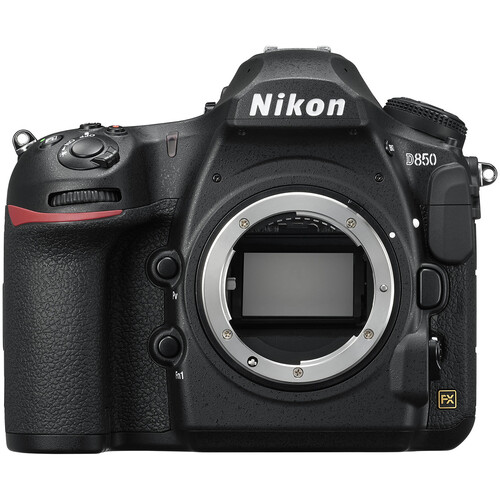
Nikon D850 from B&H
Nikon D850 Camera Body

I'm no stranger to the Nikon D850 after having spent a fair amount of time reviewing the D800 and D810, but neither model impressed me enough to give it a highly recommend rating. Would this be the one to change my mind?

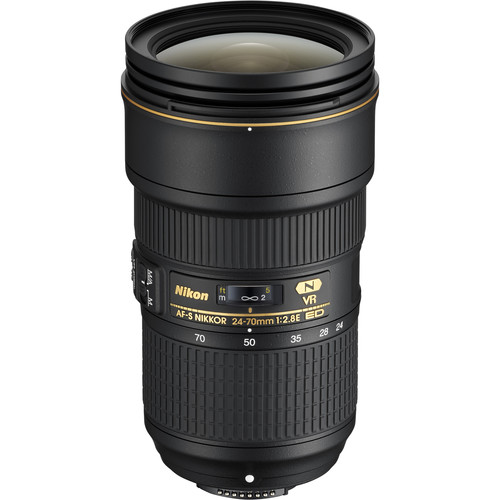
Nikkor 24-70mm f/2.8E ED VR from B&H
Nikkor 24-70mm f/2.8E ED VR

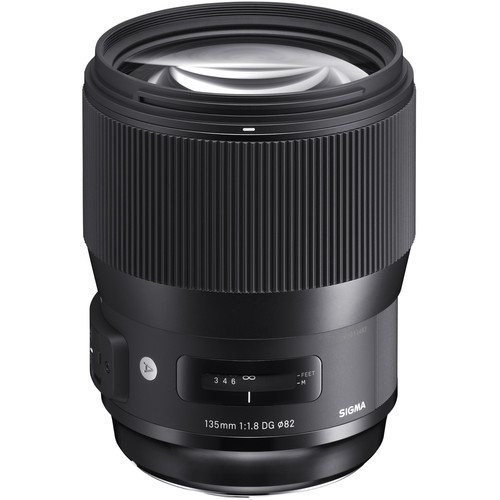
To make this camera look its best, I decided to pair it with two fantastic lenses - the Nikon Nikkor 24-70mm f/2.8E ED VR and the hot new SIGMA 135mm f/1.8 DG HSM Art. Both are razor sharp and have their strengths to make the most of what this 45.7MP sensor has to offer!

Sigma 135mm f/1.8 DG HSM Art
SIGMA 135mm f/1.8 DG HSM Art

In my Nikon D810 review, the Zeiss Otus 55mm & SIGMA 50mm Art Series went head to head and the SIGMA came out victorious thanks to its AF advantage. Would the 135mm Art series be just as impressive?

Introduction

While the D800 & D800E failed to impress me, I did take a liking to the D810 thanks to the great lenses I was able to test with it. With that said, I wasn't really motivated to get one because the additional shutter speed required to get a sharp shot. This coupled with the unimpressive high ISO performance made it unpractical for most scenarios. As a result,  so best images required a tripod or studio lights which made it impractical for my needs.

Since I did my D810 review, I've had the pleasure of using the incredible Sony a7R II, the Canon 5Ds and 5Ds R, and the impressive but lesser megapixel a9 which many believe to be a preview of what is to come in the highly anticipated a7R III.

With a lot more reference products to demonstrate that the technology definitely exists to improve upon the D810, would the third time finally be a charm? Would this be the Sony a7R II killer that some were predicting it would be? Is it really worthy of DxO's #1 sensor ranking?

Body Thoughts

Ergonomics-wise, this is typical Nikon which is a good thing since there's plenty of buttons with many of them being programmable. The body design is far superior than what you get on a Canon or Sony, so even though there's no meaningful changes beyond the removal of the the built-in flash for the sake of better weather sealing, and a handy tilt screen which will make macro photographers happy.

Yes, there's improvements like the trick Focus Shift feature which makes collecting shots to use with your focus stacking software much easier, but it offers no in-camera magic. There's also the highly useful built-in intervalometer which makes Time Lapse photography much easier. In fact, Nikon even went the extra mile to let you make a 8k video out of these captured images which is pretty slick.

That said, there's not much else to say. Nikon has been making one of the most useful camera bodies for years, and this is a very easy and enjoyable to use camera body - nuff said.

Studio Shots

These first two shots were taken under my Elinchrom studio lights with a clamshell setup. I use a Lastolite Triflector with gold and silver stripe panels that caused a warm tone when used with the Auto0 Auto White Balance setting of the D850.

The photos shown are 100% unedited from the in-color camera JPEG, but if you click the links under and view them in Google Chrome browser you'll see color corrected versions made from the NEF file in Lightroom CC Classic using the new Version 4 Camera Standard profile with lens corrections. White balance was achieved in the NEF converted versions using the far left portrait Creative Enhancement Target of the X-Rite ColorChecker Passport Photo


Sigma 135mm Art at f/9 for 1/200 sec at ISO 100

(Full Size Color Corrected from NEF - ProPhoto RGB JPEG Version)

image
100% zoom of camera right eye from Sigma shot above

image
100% zoom of camera right eye from Nikon shot below


Nikkor 24-70mm f/2.8E ED VR - f/9 @ 70mm for 1/200 sec at ISO 100

(Full Size Color Corrected from NEF - ProPhoto RGB JPEG Version)

These are two great lenses, so I was surprised at how well the 24-70 faired against the Sigma, but to my eyes the Sigma still has the clear advantage in terms of sharpness and detail resolution.

Outtake Shot of Kai
Outtake shot of Kai using the Sigma 135mm - f/8 @ for 1/250 sec at ISO 100
100% crop - click for full size shot

For fun I also included this unedited Nikon 24-70mm f/2.8E ED VR outtake shot done under the same studio lighting and the Auto2 white balance:


f/9 @ 70mm for 1/200 sec at ISO 100

For those who haven't used a camera with a resolution this high, you will have to make changes in the way you have historically worked in the studio. Depth of field is a challenge just like medium format cameras as even f/8 and f/9 exhibit shallow depth of field challenges between the iris and eye brow, especially visible above for subjects with deep inset eyes. The net result is that it is not possible to get both in sharp focus like you can with lower megapixel cameras, unless you stop down your aperture to a larger f-stop number. With that said, a clear advantage of the extra megapixels is a significant reduction of specular highlights on the nose and forehead compared to those found with lower resolution cameras.

In the studio, I love the D850 - especially with a great lens like the Sigma 135mm Art.

Real World Shots

The following are 100% unedited shots that link to the original in-camera JPEG. All of the shots featured were taken handheld using either Aperture Priority with the Faster ISO sensitivity setting for Auto ISO or in Manual with Auto ISO.  All camera settings were set to their default including the picture control (Auto) and the white balance was set to personal taste (typically Auto2 or Shade):


f/2 @ 135mm for 1/250 sec at ISO 900

Camera shake is a huge challenge with this camera, but if you can keep the camera rock solid as I did here by having my elbow on the table, you can get a sharp shot without having to do 3x+ the reciprocal of the focal length (e.g., 1/400+ in this case)


f/2.8 @ 70mm for 1/500 sec at ISO 2500

Despite the distraction of the fingers, the auto 3D Face Tracking AF did a good job of finding Kai's eye and doing what I wanted the camera to do


f/2.8 @ 70mm for 1/250 sec at ISO 560

With the 24-70, I got an interesting and colorful shot...


f/2.8 @ 135mm for 1/200 sec at ISO 320

but I enjoyed having the 135mm where even at f/2.8 I could get in closer to my subject and bask in the buttery smooth bokeh I get from this excellent lens


f/5 @ 135mm for 1/200 sec at ISO 400

Zoom in and you'll see how this many megapixels helps to you resolve flaws on the car and details on the leaves. I used 1/200 sec as a shutter speed to try to limit motion blur in the leaves


f/13 @ 135mm for 1/60 sec at ISO 100
(tripod)
This shot was impressive because of the tonal range on the boat and sky even with the in-camera JPEG. By using the RAW, you can do some really cool processing on this shot.


f/2.8 @ 135mm for 1/2000 sec at ISO 72

I pulled over on the side o the road and took a quick snap of these paragliders just to see how the camera would resolve the detail on them. It's impressive to see how much you can seem when you really zoom in! Click the image and see for yourself!


f/2.8 @ 135mm for 1/320 sec at ISO 500

The 135 was just so fun to shoot with and the dynamic range of this camera helped to get the specular highlights at bay despite Sierra's unpowered skin


f/4 @ 50mm for 1/800 sec at ISO 100

I'm used to good in-camera JPEG from Sony, Fujifilm and Canon cameras, but this is a great example of why Nikon shooters should always keep their NEF RAW files around
Notice how bad the pumpkin looks and how overblown Kai's face is with the in-camera JPEG


f/4 @ 50mm for 1/800 sec at ISO 100

Thankfully with just some tone adjustments, it's easy to recover from the NEF file to get a much more usable image, so the in-camera JPEG's leave you wanting for more with orange tones on this camera compared to other brands I've tested - including the iPhone 7!


Without In-Camera HDR

To address the above problem you could turn to in-camera HDR which is useful for shots like this


With In-Camera HDR

Notice how it takes advantage of the great dynamic range of this camera to come up with a much better result in mixed light, but it comes at the expense of motion blur when your subjects are alive vs ones that are dead - ha ha


With In-Camera HDR on - oops!

This is proof that the HDR mode really is taking and combining multiple exposures even though you only hear what sounds like two exposures


f/2.8 @ 48mm for 1/200 sec at ISO 7200

High ISO performance is drastically improved over the D800 as this ISO 7200 image definitely impresses


f/2.8 @ 32mm for 1/125 sec at ISO 2000

Auto focus performance was quite good and the VR helped to get a lot more keepers with the 24-70 than I got with the 135mm


f/4 @ 70mm for 1/160 sec at ISO 25600

ISO 25,600 - are you kidding me?
This is a huge improvement over the D800 and I think a big improvement over the D810 as well


f/4 @ 70mm for 1/320 sec at ISO 16000

ISO 16,000 was downright sharp in reasonable lighting conditions


f/2.8 @ 52mm for 1/1000 sec at ISO 5600

This is only one of a series I took in burst mode with continuous AF, but I found that if you have enough light for 1/1000 or faster you have an AF system that can handle active subjects


f/2.8 @ 135mm for 1/1000 sec at ISO 100

For fun I thought I'd see how much detail could be resolved in this fake webbing. It was quite impressive!


f/3.2 @ 135mm for 1/640 sec at ISO 900

How can you not love the 135mm Art? Wonderful bokeh and crispy sharp detail!


f/4 @ 135mm for 1/500 sec at ISO 4500

This would have been a good time to play around with the focus stacking, but sadly I was handheld this day. That said, this is pretty good for handheld at f/4 and ISO 4500!


f/4 @ 135mm for 1/500 sec at ISO 1800

Once you start shooting flowers with this lens, it gets addicting in a hurry.
The D850 makes for a nice file that captures gobs of detail


f/4 @ 135mm for 1/500 sec at ISO 3600

Yes, a needless shot but look at the detail of the fabric in the face - ha, ha!
Just wait, if you get a D850 you'll be doing this too (especially if you have a killer lens like the 135!!!)


f/1.8 @ 135mm for 1/640 sec at ISO 4000

Despite using my handheld technique on this shot (the only one in this article), I still found it tricky to get precise focus on the eye. As a result, I think I needed to use the USB Dock to fine tune the AF calibration of  this lens to this camera

For more review photos, see http://ronmartinsen.com/nikon/d850.

Please note that all photos are copyright Ron Martinsen - ALL RIGHTS RESERVED. You may view these photos only while your web browser is open to this article, but you must delete them when done. No printing, linking, editing, or reuse of any kind is permitted without expressed written consent.

One Edited Shot

Typically I don't include edited shots in my reviews because I want readers to see what the camera can do, not what I can do with Photoshop. However, I'm making a rare exception in this case as the positive feedback I got from this edited shot was so overwhelming from my pro photographer friends (names you'd recognize) that I decided to share it here.

Lost in the Music by Ron Martinsen on 500px.com

The photo above is hosted on 500px where you can learn more about it, but the original was in color. The color version actually shows off a better job with the dynamic range of the underexposed subject and the background - details which get lost in the above post-processing.

While I wanted to hate the D850 for the technical things about it that drive me crazy, there is an indisputable fact that the dynamic range of this camera led to me capturing some interesting shots that I was quite pleased with. While it may not perfect, it's definitely a nice piece of photography equipment!

Compared to the Canon 5Ds, 5Ds R, and Sony a7R II

If someone set the Nikon D850 down in front of me along side the Canon 5Ds, 5Ds R, and Sony a7R II and told me I could have anyone one that I want plus $5000 for lenses to go with it, I'd still probably go for the Sony a7R II. While the D850 is my favorite Nikon D8** series camera, it's not as easy to pull off hand held shots like what I could get with the Sony or even the Canon's for that matter. This camera has a sensor that performs much closer to the Sony, than the Canon, but when all things are considered I still prefer the Sony - despite its freaking horrible menus. With that said, the a9 showed a lot of promise in addressing the things I hated about the Sony body so there's hope that finally might have something magical for us in its next release.

Conclusion

For most existing Nikon users with an investment in Nikon lenses, the D750 is a much better investment for everyday use. However, the tonal range advantage of the D850 - especially in specular highlight areas - makes it tough to pass on. In fact, if you are a Nikon shooter who is looking for a specialized body to give you the best studio and landscape shots that the platform offers, then look no further - this is the camera you want.

While it definitely pays to bump up the ISO sensitivity settings of Auto ISO to the Faster setting to ensure that your shutter speeds stay up when you are in aperture priority. Even with VR turned on, I was surprised at how easy it was to get shots where the eyes of my subjects clearly had motion blur despite them holding perfectly still. Part of it was the depth of field challenge previously mentioned, but I also believe the lack of a precision spot auto focus feature that Canon offers or the eye tracking feature of Sony & Fujifilm.

With those gripes out of my system, I can finally highly recommend this camera - for Nikon shooters. As for lenses, there's lots of good choices, but if it were me I'd be investing in the Sigma 85mm and Sigma 135mm Art. These two incredible lenses have impressed the heck out of me and really made me a Sigma fan - when I used to be a Sigma hater.   

Where to Buy?

CLICK HERE to learn more or buy the Nikon D850.

CLICK HERE to learn more or buy the Nikkor 24-70mm f/2.8E ED VR.

CLICK HERE to learn more or buy the SIGMA 135mm f/1.8 DG HSM Art.

Other articles you may enjoy

If you enjoyed this article, you may also enjoy these reviews:

Enjoy these and more on the Reviews tab as well as Ron's Recommendations.

Disclosure

If you make a purchase using links found in this article, I may make a commission. It doesn’t cost you a penny more, but it does help to support future articles like this.