Showing posts with label 6D. Show all posts

Wednesday, August 30, 2017

REVIEW: Canon 6D Mark II - Fantastic In-Camera JPEG Results


Canon 6D Mark II and 24-105mm f/4L IS II USM Kit Lens

I was a fan of the Canon 6D because its sensor performance was identical to the 1D X I owned at the time I did my review, so the idea of a second body that could get the same high quality results was very appealing to me. Yeah, it was a dated body but all could be forgiven at the time it came out.

Fast forward to 2017 and the world of photography has changed quite a bit. iPhones are capable of outstanding images, the a7R II is the undisputed king of the sensors by which other cameras are judged, and even cameras like the Fujifilm X-Pro 2 have excellent autofocus.

As a matter of disclosure, the camera I reviewed before this was the incredible Sony a9 which may have been a really bad thing for Canon because I got to see what cameras should be capable of in this day and age. As a result, when I unboxed and shot the 6D Mark II for the first time my first thought was WTF?!!!

To be fair I decided to extend my review time a little longer than normal to see if I could judge this camera fairly based on what it offers instead of comparing it a very different and far more expensive a9. I think I accomplished that goal, but that said I still found myself scratching my head at how much this camera has been forced to used outdated technology compared to what I've seen in the 7D Mark II.

Camera Body Thoughts

I love joystick controls so when I first got this camera and saw it didn't have one I almost boxed it back up and refused to review it. This body is almost identical to the 80D and I didn't review it for that same reason, but my appreciation of what the original 6D did forced me to give the 8 way multi-selector a shot. While I still much prefer a joystick, it was usable - but I still don't like it much.

The articulating touch screen was excellent and makes macros, difficult shots of children down at their level, and selfies (including group shots) all very easy to do. Honestly, I wish all cameras had this type of screen. I also like how it can be closed up so that the LCD is protected.

This camera also features a WiFi, BlueTooth, NFC, built-in GPS and the anti-flicker technology. The later helps keeps flickering lights from ruining a shot, so there's good tech in this camera. However, you only need to look at the limited AF points and the range of those AF points from the edges to feel like you've been transported back to 2007!  Why this camera has such a small cluster of AF points is unforgivable in 2017, but with that said the AF was reliable and worked well.

The construction of the body was excellent and the controls, aside from the lack of the joystick, were nicely placed and easy to use. The addition of a touch screen helped make up for some of the stupid features removed like the ability to rotate a dial to change the AF selection modes. Seriously Canon, why disable this functionality?!!!!!

Another software imposed block is for HDR that only works in JPEG only mode and doesn't allow you to keep the original shots that are captured to render the in-camera HDR (which typically looks lame). As a result, they took a handy feature from the 5D Mark IV and ruined it making it utterly useless. I'd suggest ignoring this feature and just do bracketing and external processing of your HDR shots.

Overall I was very disappointed in this body because a lot of things are made intentionally harder for marketing rather than technical reasons.

Real World Shots

The following shots are 100% unedited in-camera JPEG's that can be clicked on to view the full-size original. All images are copyright Ron Martinsen - ALL RIGHTS RESERVED and may not be used for any purpose, copied, printed, linked to or edited without written consent.

Most of these shots are taken using Aperture Priority or Manual with Auto ISO (so metering still comes into play). The shots that seem overly yellow are ones where I had Landscape Creative Style turned on along with Shade White Balance under the wrong lighting conditions, so that's user error. I always shoot RAW+JPEG, so these are all salvageable shots.


f/5 @ 50mm for 1/200 sec at ISO 200

The evaluate metering mode did a good job of taking everything in this scene into consideration and coming up with a reasonable balance between the dark and bright areas. This is one area that Canon really shines in a significant way over Nikon and Sony


f/5.6 @ 105mm for 1/1000 sec at ISO 400

While this is definitely NOT a sports camera, it didn't suck as much as I thought it might so casual photographers looking for a better sensor than 80D should be pleased


f/5.6 @ 105mm for 1/500 sec at ISO 5000

While this was just the kit lens, this sensor is capable of delighting macro photographers


f/5.6 @ 50mm for 1/100 sec at ISO 2500

Canon is famous for great in camera color especially in the warm tones and reds. The orange tones in this flower were excellent right out of the camera even with auto white balance


f/5.6 @ 91mm for 1/200 sec at ISO 640

I forgot to reset my white balance from shade to AWB, but I was pleased with the texture and details in the beard and hands so I thought it was still worth sharing this shot


f/5.6 @ 56mm for 1/125 sec at ISO 125

Again, the textures and tones in the linen on this fair maiden and her cotton demonstrate the strength of lugging a DSLR like this around instead of relying just on a cell phone


f/5.6 @ 35mm for 1/60 sec at ISO 10000

One of my typical torture shots and the exposure and tonal range were great, but the guy who photo bombed wasn't so great


f/7.1 @ 105mm for 1/500 sec at ISO 250

Using Highlight Tone Priority (D+) with auto white balance and aperture priority,
it did a good job with the sky, bright boat and dark areas in the woods.
It doesn't have the tonal range of a
a7R II but this is a great starting point for post-processing


f/4 @ 105mm for 1/640 sec at ISO 200

Again a brilliant metering of a darker foreground and a bright background with good preservation of the pink tones


f/5.6 @ 30mm for 1/640 sec at ISO 6400

HDR mode did a good job bringing detail back on the walls that was lost in a default exposure


f/5.6 @ 105mm for 1/200 sec at ISO 12800

Another excellent example of evaluate metering nailing the exposure as the bulb is exposed nicely while still preserving details in the background. The dynamic range of this sensor is quite respectable so combined with a fantastic meter, your artistic vision for a shot is easily captured. Doing this shot with any other brand of camera requires a lot of effort or full manual mode to get the exposure right.


f/6.3 @ 24mm for 1/250 sec at ISO 1600

A metering torture test that performed well but definitely shows the limits of the range on the bright side, but also the improvements Canon has made in the preserving shadow details


f/4 @ 40mm for 1/40 sec at ISO 25600

Okay quality for ISO 25,600 but the colors definitely suffer at this ISO


f/5.6 @ 50mm for 1/100 sec at ISO 10000

Colors are great at ISO 10,000, so I'd have no reservations about shooting at up to ISO 12,800


f/5.6 @ 105mm for 1/250 sec at ISO 3200

I hate to keep harping on the great metering, but this was another one where I thought it was just bang on - first try - with evaluate metering and no user intervention - anyone could get this shot. The anti-flicker technology probably played a big factor on this one too.


f/5.6 @ 31mm for 1/60 sec at ISO 6400

One problem I did notice is that starting at ISO 6400 and up the built-in noise reduction is terrible about smearing the details, so I'd disable the built-in if you aren't shooting RAW


f/5.6 @ 29mm for 1/80 sec at ISO 25600

Hand-held and aside from the high ISO smearing, I was quite pleased with the result


f/4 @ 105mm for 1/200 sec at ISO 5000

I love the new 24-105mm but my copy definitely needed an auto focus micro adjustment with this camera body. Too bad there isn't an auto feature to do this like Nikon is starting to offer!


f/7.1 @ 105mm for 1/200 sec at ISO 4000
Auto White Balance
If you are in to shooting reds, you'll enjoy this Canon a lot more than other brands


f/7.1 @ 40mm for 1/60 sec at ISO 640

The tiny range of AF points made this a tough shot to get without doing a focus and recompose


f/9 @ 55mm for 1/100 sec at ISO 1600

Again, textbook perfect metering that balances the darkness inside of the building with the outside to render perfect red tones and utilizing all of the dynamic range from the darks to the whites.
If this meter was on a
a7R II, then HDR wouldn't be necessary for most shots anymore!


f/7.1 @ 55mm for 1/125 sec at ISO 200

Gorgeous details in the texture and once again excellent metering


f/7.1 @ 64mm for 1/160 sec at ISO 200

At this point you know what I'm going to say, but you have to admit that this is impressive for an in-camera JPEG with default camera settings!


f/9 @ 95mm for 1/200 sec at ISO 400

The metering is so good that it makes the most of the dynamic range that this sensor has to offer to create in-camera JPEG's that are way better than the auto exposure you get with Lightroom from a RAW image. As a result, I'd encourage shooting RAW+JPEG!


f/5.6 @ 93mm for 1/200 sec at ISO 1250

This is a camera where I'd shoot RAW for insurance, but JPEG as my starting point for most of my images as you'd be hard pressed to get results this good with Lightroom without a lot of manual effort


f/4 @ 38mm for 1/500 sec at ISO 200

The articulating touch-screen LCD was excellent for getting shots like this at odd angles while I was high and dry and not killing my knees

Click here for a gallery of more unedited images taken during my testing.

Conclusion

If you are a JPEG only shooter who wants good in-camera results, but you aren't satisfied with the beauties you can get from Fujifilm cameras, then this is definitely a great camera choice. This a good camera for photojournalists or people who shoot a lot of images that need to be ready to go clients straight out of the camera as that's the strength you get out of this body.

With that said, if you are a "I only shoot RAW" type then go with a Nikon D750 instead. Canon has artificially neutered this camera, whereas the D750 is an excellent example of an affordable camera body where Nikon threw a ton of technology into it. It's one of the best cameras on the market, BUT the metering leaves a lot to be desired and you won't get in-camera JPEG's like this so you'll commit yourself to a lot more time doing post-processing.

Where to Buy?

CLICK HERE to learn more or buy today.

Other articles you may enjoy

If you enjoyed this article, you may also enjoy these:

Disclosure

If you make a purchase using links found in this article, I may make a commission. It doesn’t cost you a penny more, but it does help to support future articles like this.

Sunday, August 28, 2016

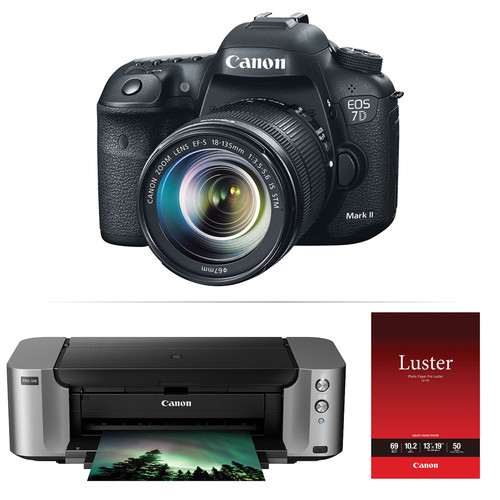
Canon 6D & 7D Mark II Printer Bundle 4 Day Sale & New Product Announcements


Canon 6D & 7D Mark II Printer & Lens Bundles (LIMITED TIME)


4 Offerings as low as $1,1999 after mail in rebate with printer and paper


This offer expires on AUG 31, 2016

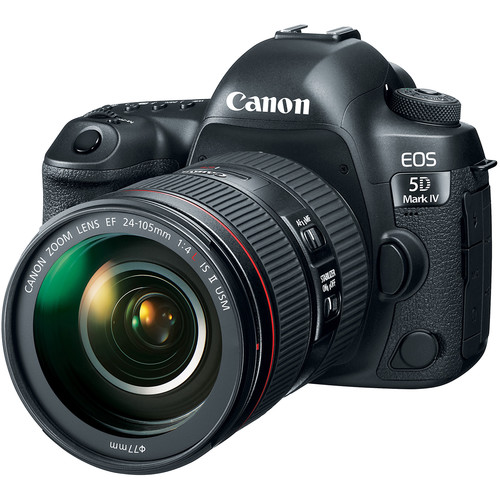
Canon EOS 5D Mark IV & New 16-35 III & 24-105 II Lenses


Click for full details on the 5D Mark IV, new lenses and more

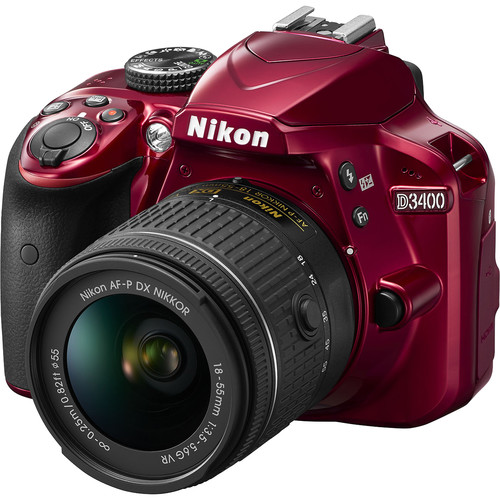
Nikon D3400


New and available in multiple colors and options

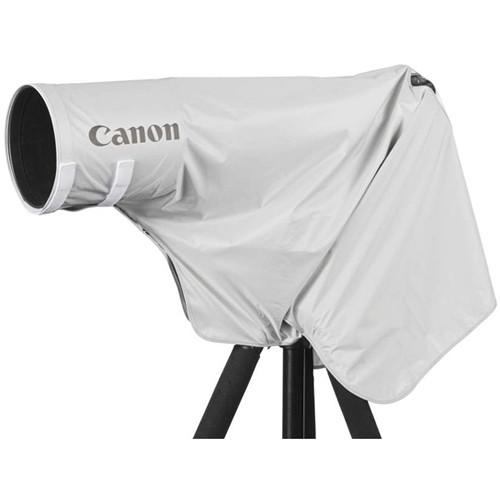
Canon ERC-E4 DSLR Rain Cover


As little as $79.95


If you make a purchase using links found in this article, I may make a commission. Thank you very much for your support!

Wednesday, April 15, 2015

REVIEW: Nikon D7200 + 18-140mm Lens–The Perfect Camera for Parents?

Nikon D7200 DSLR Camera with 18-140mm Lens

I’ve been a big fan of the Nikon D7xxx series ever since I reviewed the D7000. It’s always been a solid performer, so when I reviewed the D7100 I was considered picking one up for myself. I’m a Canon shooter, so I didn’t need another camera – especially one that couldn’t use my existing lenses, but that’s just how much I liked the predecessor to the Nikon D7200.

After some seat time with this camera I’ve discovered that everything that I liked about the predecessor returns plus it gets a EXPEED 4 processor, WiFi & NFC included as well as much improved buffer to hold more images before you have to wait for the files to write to the memory card. Click here to see a complete comparison chart.

What the improvements really mean is that you’ll be able to take 3x the number of photos (compared to the D7100) before you are waiting on the camera to finish writing, and you’ll be able to use much higher ISO’s with acceptable performance. How high is subjective, but I personally found ISO 25,600 to be usable for personal use and even 12,800 to be quite good.

What I’ve always really loved about the D7xx series is that it has a great balance of ease of use with a wide spectrum of advanced features. This means that even the most advanced photographer will likely get excited about D7200 features like:

  • An 4 level adjustable Auto ISO that comes in handy in Aperture Priority because you to control how aggressive the camera is at shooting slower or faster shutter speeds. At its fastest setting faster shutter speeds will be chosen to minimize blurry shots or having to use an arbitrarily high minimum shutter speed setting (or manual mode). I wish all cameras had this (especially my Canon’s!). It should also be noted that this feature is supported in Manual mode with exposure compensation too for the maximum in flexibility!
  • An auto white balance that favors warm temperatures (Auto2) so skin tones look healthier rather than technically correct (although still not as warm as you’ll get with Canon – which some people love, and others hate).
  • Fast physical button access to exposure compensation, flash exposure compensation, bracketing, metering modes, video recording, and more.
  • A usable built-in flash. While off-camera and hot shoe flashes are better, it’s good to have something when in a pinch and Nikons popup flashes perform better than the competing products I’ve tried.
  • 51 focus points accessible quickly via multi-selector button along with support for remembering separate portrait versus landscape orientation points.
  • Built-in intervalometer for doing time lapse photography
  • Two user programmable mode dial points for your favorite settings (U1 & U2)
  • Scene and Effects modes for amateur photographers who want to leverage the internal technology to its fullest so they can focus on shooting instead of camera settings
  • Programmable buttons for when you’d rather move things around or expose functionality that would otherwise require a menu visit.

While many of these feature are neither new nor available only on this camera, what I like about the D7200 is that it is a great bridge between features offered on more advanced pro bodies while retaining some of the ease of use features of the entry level bodies. It really is a camera that you can grow with from first time DSLR shooter all the way to the semi-pro level. The burst mode performance also makes it great for both wildlife shooters as well as parents who have been struggling with blurry shots of their little bundle of joy indoors. The great high ISO performance also means those shots won’t suck when you go to edit them.

Kite Test

I don’t typically do a kite test on a camera in this price range because it requires a sophisticated AF system that isn’t easily confused, but after spending time with the D7200 I began to have confidence it could handle it. Here’s a good example of where the D7200 performed admirably:


f/2.8 @ 75mm for 1/2000 sec at ISO 720
with Nikon 70-200mm (unedited)

Photographing people with kites is tough because you not only have to worry about tracking your subject, but also keeping the kite in the frame. As a result you leave extra space when framing, so having some extra megapixels to spare when you crop will come in handy! I ended up with usable shots like the ones above and below, but I definitely could use a much tighter crop. Thanks to a good image file size, it is quite easy to crop without losing any important detail from the image (assuming your output isn’t a huge print).

Click here to see 36 images from my kite testing including my favorite one below…


Kai’s first lift off with a kite
f/2.8 @ 70mm for 1/2000 sec at ISO 2200
with Nikon 70-200mm (unedited)

The value of 24 megapixels

Megapixels are often overrated because in reality people rarely print anymore, so the largest output most people often see their images displayed is on their 1080p HDTV (which is only 2 megapixels!). Even a UHD 4k display only requires 8 megapixels, so generally speaking we often discard megapixels when downsizing our images to the web or in small prints.

With that said, having some extra megapixels around does have one advantage and that’s to crop and still have a usable image for displaying on the web. I mentioned this above, but here’s a much better example:

D7200-3-122_zoomed
f/11 @ 200mm for 1/640 sec at ISO 280 – Edited to show detail
100% crop – See full-size original below

While the shot above isn’t going to win awards because it is bad on so many levels, what is interesting is that I wasn’t out shooting eagles. I was shooting something else entirely when I spotted something huge flying overhead. I raised the camera and fired off a couple shots (hence the unnecessary f/11!). As you can see from below, I had no clue it was kind of bird it really was:


Uncropped original

Despite being in full automatic AF mode I was able to successfully capture this image and with the bring enough detail out to see the underbelly of the bird using only the JPEG (RAW had been disabled when I was testing something different).

While this lame image won’t be appearing in any wildlife photography magazines, it does show the value of megapixels when cropping and the strength of the D7200 AF system. I had the wrong settings and wasn’t ready, but yet I came away with a shot that I could clean up and post on Facebook as proof that I saw a eagle circling above me.

When people ask me why they need a DSLR in these days of great cellphone cameras and mirrorless systems, I use cases like this to show that the DSLR still has great value. Yes, other cameras may have the megapixels and resolution, but few have everything they need to pull it all together. While poor, this shot clearly identifies the eye of the bird and the separation of wings from the in-camera JPEG.

Now imagine if I had a 400mm lens and was actually ready for this shot with better camera settings! On this camera that would be the 35mm (full-frame) equivalent of 600mm thanks to the 1.5x crop factor which comes in handy in scenarios like this. Wildlife shooters on a budget are going to enjoy what this camera brings to the table!

Swing Test


f/4 @ 86mm for 1/1000 sec at ISO 2000
with Nikon 70-200mm (unedited)

When a camera shows signs of being good for parents I get my kids to be my swing test subjects. If you’ve ever tried to take photos of kids on swings then you know what a challenge it can be getting a decent shot, so in the world of real life shooting it’s one of the bigger challenges for both the parent and the auto focus system.

While this is certainly no D750 or D4s caliber performer, it did do a very good job for a fraction of the cost. The AF system was by no means flawless as I would see a few missed focus shots in most series, but I’d occasionally get an entire burst that was usable.


f/4 @ 86mm for 1/1000 sec at ISO 800
with Nikon 70-200mm (unedited)

Click here to see the beginning of 83 swing test shots I did including this one which is the beginning of a continuous burst of 65 straight images (JPEG only) that were done without releasing the shutter button.

Real World Shots

My real world shots are about showing pictures taken from real life activities that haven’t been planned or labored over for hours. These are casual snapshots where only a few frames are shot and the best is taken for your review. Shots featured here use the kit lens first section and then the 70-200mm at the end where noted.

Most camera settings are in-camera defaults and the unedited in-camera JPEG is shown. Unless noted, Auto2 white balance is used with the Standard picture control setting. Aperture priority or manual mode was used with Auto ISO and all shots are handheld.

The goal here is to capture shots you’d expect to be able to capture yourself and results you could expect to see on your computer before post-processing.

Click the images to see the unedited, full-size, in-camera JPEG original images. All photos in this article are Copyright © Ron Martinsen – ALL RIGHTS RESERVED. You may view the images on your computer while this article is active in your browser, but you may not retain, print, edit, or otherwise use any images without my written consent.


f/5.6 @ 140mm for 1/500 sec at ISO 100

I felt this was a wow shot for a straight out of the camera result with a kit lens. Excellent dynamic range with reasonable sharpness and great shadow detail. It wasn’t long ago that you needed a couple extra grand to get these kind of results!


f/5 @ 52mm for 1/1000 sec at ISO 100

The Shade white balance turned this image a bit too yellow and camera meters always turn white to gray (tip: overexpose by 1/3rd stop), but what you are left with here is a RAW image that has all the data it needs for a decent image. The kit lens requires f/5 at 52mm so that hurts this shot especially due to its poor bokeh quality, but I’ve definitely seen worse from a kit lens.


f/5.6 @ 140mm for 1/800 sec at ISO 100

While I was unimpressed with the kit lens,
beginners are going to be pleased with this level of detail


f/5.6 @ 140mm for 1/640 sec at ISO 100

Excellent shadow detail is a given with this camera


f/5.6 @ 66mm for 1/200 sec at ISO 500

The purpose of this ugly shot is to show off the tremendous dynamic range from the super bright areas on the left that still retail some detail to the intense dark creek bed which still offer clearly visible rocks and ripples. This impressive for a camera this affordable!


f/4 @ 32mm for 1/500 sec at ISO 1250

I got a little overzealous in cheering my son on in this 10 shot burst series, but that’s easily correctable with a rotate in editing. What’s interesting is that the high ISO is not even noticeable as the image quality is excellent  for the entire series. Even more impressive is that the AF system nailed every shot while in full auto mode.


f/3.8 @ 23mm for 1/160 sec at ISO 100

I chose the wrong shutter speed and failed to add exposure compensation for the backlighting, but the D7200 gave me a shot I can still use – especially with raw processing. I was very pleased with the shadow detail of the face and the brightly lit background


f/5.6 @ 18mm for 1/160 sec at ISO 100

Kit lens users will appreciate that they can go pretty wide at 18mm as shown here,
or very deep as shown below taken from the same spot


f/5.6 @ 140mm for 1/500 sec at ISO 720

Full zoomed in from above, detail at the end of the trail is clearly visible at 140mm
thanks to the crop factor which makes this an effective 210mm reach


f/5.6 @ 27mm for 1/80 sec at ISO 220

My dynamic range torture test here shows how shadows under the escalator to bright areas in the glass and building outside are all within range – impressive!

Nikon 70-200mm f/2.8 VR II Photos

The following photos were all taken handheld with the Nikon 70-200mm f/2.8 VR II instead of the kit lens…


f/3.5 @ 200mm for 1/640 sec at ISO 720

With a proper lens incredible detail can be captured with respectable bokeh.
Be sure to click to view the pollen on the original at 100% – impressive!


f/4 @ 200mm for 1/640 sec at ISO 1000

Using the 70-200mm felt like I had a different camera body.
Zoom in to check out the detail on the main flower!


f/5.6 @ 195mm for 1/200 sec at ISO 2200

I was very impressed with the sharp detail despite this high ISO.
I was also very pleased that, despite being handheld and zoomed in tight,
I got such crisp detail on the tips of the flower!


f/2.8 @ 190mm for 1/200 sec at ISO 280

While a full frame FX sensor would have been better here, I was
once again impressed with the image quality from yet another D7xxx series body

To view the entire gallery of unedited original in-camera JPEG’s, visit http://photos.ronmartblog.com/nikon/d7200.

Bookshelf Shots

CLICK HERE to see or download my full collection of various bookshelf shots. You can also click the images below for a full-size original. While I can’t imagine why anyone would want to use them, please note that all are Copyright ® Ron Martinsen – All Rights Reserved.

As I’ve noticed in the past, the Nikon 70-200mm f/2.8 VR II causes the camera to expose brighter than other lenses in this test. Feel free to balance the exposure of the bookshelf shots for a better comparison on your computer for a more accurate comparison, but the net result is still that the image quality is very good for the 70-200 compared to the softer kit lens.


f/4 @ 70mm for 6 sec at ISO 100 (70-200mm f/2.8 VR II)

Based on the images above and below I’d classify the image quality of the D7200 to be very good, but there are definitely better cameras on the market – for much larger price tags. As p


f/5.6 @ 140mm for 6 sec at ISO 100 (Kit Lens)


f/5.6 @ 18mm for 1/250 sec at ISO 12800

ISO 12800 was the maximum ISO I felt comfortable with for dark shots, but in bright light 25,600 is totally usable. I review a lot of incredible cameras so I wouldn’t call this great high ISO performance, but it’s definitely better than any mirrorless that I’ve tested in this price range.

Video Performance

I’ve shot some video and will be including them here next week. Overall I thought video performance was average for DSLR in this price range. Parents shouldn’t consider any DSLR a replacement for their camcorder or cell phone – both of which are more foolproof – but with careful planning excellent video results are within reach with the D7200.

Compared To…

Generally speaking, I expect that the average buyer of this camera is going to be upgrading from an existing Nikon already. However, in the world of DSLR’s I thought I’d toss in my 2 cents about how I think this camera stacks up to the following:

  • Canon 70D (review) – I don’t see this as a competing product. I felt the D7100 really surpassed the 70D, so the D7200 blows it away on everything but price. Yes, the fps are similar, but until Canon replaces this camera with something newer I wouldn’t consider it to be a significant competitor to the D7200.
  • Canon 7D Mark II (review) – While I personally prefer the controls layout of the D7200, the 7D Mark II does offer a much higher FPS and theoretically more advanced auto focus system. Overall, I still prefer the D7200 for its overall keeper rate based on what I find to be an easier to use autofocus system.

    Image quality-wise, I find the 7D Mark II to be better than I expected before this review. I figured the D7200 would destroy the 7D Mark II but upon close examination the differences between the two favor the 7D Mark II – but it comes at a $500 premium!

    I do believe the D7200 is a lot more “mom friendly” after the correct settings have been dialed in by someone who understands how to configure it properly. 
  • Canon 6D (review) – Not really an apples to apples comparison, but I’m including it as the price will have some people considering it as an alternative. What it lacks in FPS and advanced AF system, it certainly makes up for in significantly superior image quality. I think most people considering the D7200 for its AF and burst mode performance would certainly be better off with the D7200 over the 6D, but if image quality is your only concern then the 6D is naturally the winner.
  • Nikon D610 (review) – Yes, this is a lot more camera for not a lot more money so if you can afford it then go for it. With the D610 you do lose a little bit in burst mode and AF performance, but you gain superior image quality. I love the D610, but until its replacement with the EXPEED 4 comes out, I think the D7200 is still a good choice for those who need a sports camera or one that keeps up with active kids.
  • Nikon D750 (review) – Again oranges vs apples, and the D750 easily earns extra $1k in price over the D7200 for superior image quality. Yes, the D7200 can basically match the burst mode performance when adjusted for image size, the images you get from the D750 are simply sublime. If you have the extra $1k, get it, but if your budget is tight the D7200 is a great start and leaves more budget for something far more important –  great lenses!
  • Nikon D810 (review) – It’s makes very little sense to compare these, but I’ve been asked so many times to compare the D7100 to the D810 that I figured I had to say something here.
    In my opinion, the D810 is a special purpose camera that’s great for landscapes and studio photography, but it is less than ideal as an all-purpose travel/everyday camera. Even 4k display owners and those who print large 16x24” prints will have all the megapixels they need with the D7200. If you even think that these two need to be compared, then this is definitely not the right camera for you – the D7200 is.

Models below the D7200 in the Nikon lineup are simply not in the same league in my opinion. Those are entry level cameras whereas this is a camera that an amateur can use and a semi-pro photographer will love. As a result, I’m not including them here as they are more suited for discussions when comparing cameras like the Canon Rebel T6s. 

Nikon AF-S DX NIKKOR 18-140mm f/3.5-5.6G ED VR Lens

Nikon AF-S DX NIKKOR 18-140mm f/3.5-5.6G ED VR Lens

When considering the crop factor, this lens is a 27-210mm (35mm equivalent). This is an awesome range, but like all lenses I’ve tested that try to cover so much range – it falls short on image quality. While I wouldn’t classify it as bad – especially if you never print or zoom in – it does create a softer image than this sensor is capable of displaying (based on what I saw with the 70-200mm). As a result, I’d opt against the kit and just go with the body only when ordering.

Conclusion

Photography is expensive so it’s easy to get caught up in the upgrade game or jonesing for what others have. I teach a lot of students who have made the wrong choices, so that’s why I get excited about this camera. This camera is a solid performer so I know I’ll never tell a student who uses it that “you’d probably be better off if you had got this other camera” when they are complaining about blurry shots or image noise.

Yes, a great photo can be made with any camera, but the mere mortals do best when they have the right tool that does a lot of the heavy lifting for them. The D7200 is just that – a camera that puts the fun back into photography by increasing your keeper rate. As a result, I highly recommend the D7200 for parents and those who take photography seriously, but who also need to keep their expenses in check!

Where to order

Click here to learn more or order on B&H’s web site.

Other articles you may enjoy

If you enjoyed this article, you may also enjoy these reviews and articles:

Disclosure

If you make a purchase using links found in this article, I may make a commission. It doesn’t cost you a penny more, but it does help to support future articles like this.